
Taking over a lease when buying a business is one of the most common reasons a deal falls through, yet buyers rarely plan for it. The lease controls your premises, your rent, and often your personal liability, so it deserves as much attention as the financials. This guide walks through what taking over a lease when buying a business involves, the risks, and the five things you must negotiate before you sign anything.

Most small-business leases are commercial property leases held in the seller’s personal name, not the business name. That means the landlord has no obligation to let you in, and the entire deal can collapse if the landlord refuses consent. Understanding the difference between an assignment and a sublet is the first step, and knowing your rights when taking over a lease when buying a business will save you from unpleasant surprises at closing.
What Does Taking Over a Lease When Buying a Business Involve?
When you buy the business, the premises are usually transferred in one of two ways: the landlord approves an assignment of the existing lease to you, or the seller sublets the space to you for the rest of the term. Either way, taking over a lease when buying a business requires the landlord’s written consent, which almost always comes with conditions you must meet.
The lease documents themselves determine how hard the transfer will be. Look for a clause about assignment and subletting, the landlord’s consent standard, and any requirement for the tenant to remain liable after assignment. A lease that says consent cannot be unreasonably withheld gives you leverage; one that gives the landlord absolute discretion puts the whole purchase at risk before taking over a lease when buying a business even begins.
Remember that the landlord has their own interests. They want a tenant who will pay reliably, maintain the property, and not cause trouble, so they review buyers the way lenders do. Your credit score, business plan, and the strength of the purchase all matter to them. Approaching the landlord professionally, with a complete application and a clear story about the business, dramatically improves the chance of a smooth approval.
Why Taking Over a Lease When Buying a Business Is the Biggest Deal Risk
The landlord can block the sale entirely, refuse your requested changes, or demand a personal guarantee that exposes your personal assets. Because the lease is separate from the share or asset purchase agreement, a disagreement about the premises can kill a deal that is otherwise ready to close. When taking over a lease when buying a business, you are negotiating with two parties, the seller and the landlord, and you need both to say yes.
Timing makes the risk worse. Landlord approval takes weeks, rent review clauses can raise your costs overnight, and a lease with only a year left is worth far less than one with five years remaining. Buyers who ignore the lease until the end of the process discover the problem when it is too late. Start the lease work early, because taking over a lease when buying a business properly requires a dedicated lane in your closing timeline.
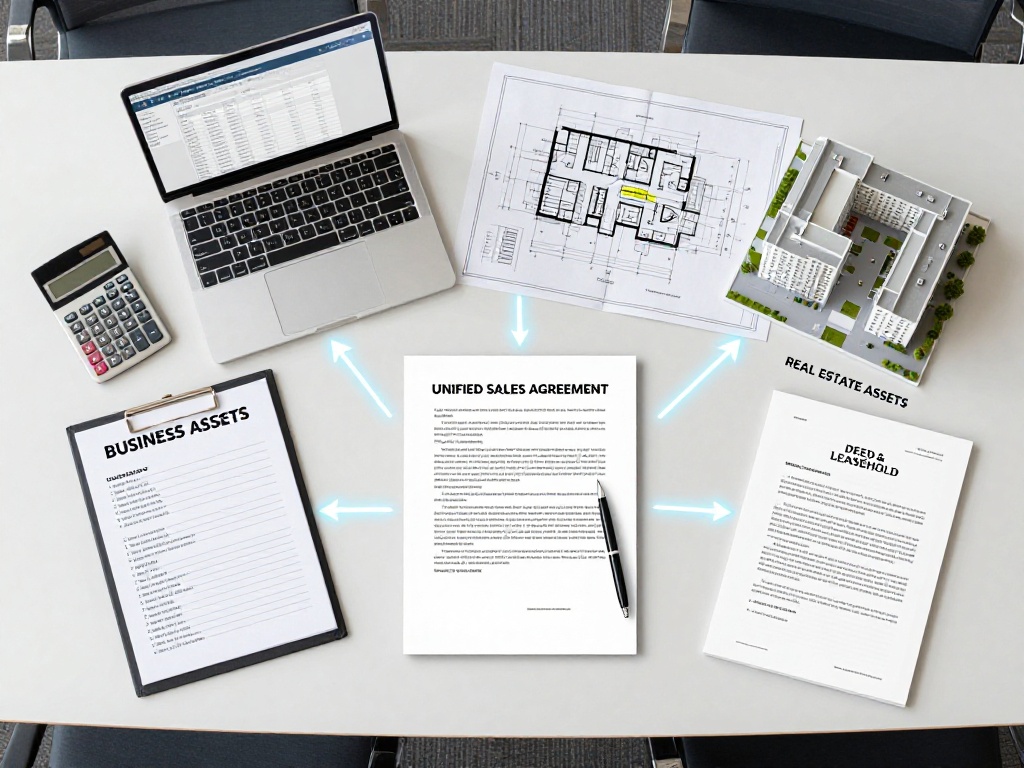
Assignment vs. Sublet: The Two Routes
An assignment transfers the whole remaining term of the lease to you, and the landlord typically looks at your credit and background before approving it. A sublet keeps the seller as the tenant and gives you a separate agreement underneath, which works when the landlord will not release the seller but allows a sublease. Choosing the right route is the first decision when taking over a lease when buying a business, and your lawyer should confirm which one the lease actually permits.
Assignment usually makes the seller happy because they walk away clean, but it makes the landlord stricter, because you replace the seller entirely. Sublets keep the seller exposed, so sellers resist them and often demand extra compensation. Your goal is the route that satisfies the landlord, the seller, and your own liability, and that balance is rarely obvious without reading the lease clauses line by line before taking over a lease when buying a business.
The Landlord Approval Process
Expect the landlord to ask for a rent and credit application, bank references, financial statements, and sometimes a personal guarantee from the buyer. The approval process can take anywhere from two weeks to two months, depending on the landlord and the size of the property. Factor that time into your agreement, and make the closing conditional on landlord consent when taking over a lease when buying a business, never the other way around.
Prepare the paperwork before the landlord asks for it. Have your last three years of tax returns, a personal credit report you have reviewed yourself, bank statements, and a short profile of the business you are buying. Responding to the landlord’s requests within a day or two keeps the process moving and signals that you will be a reliable tenant. A quick, complete application often means the difference between a two-week approval and a two-month delay.
Landlords also raise the rent at assignment in many jurisdictions, through a rent review or a new market-rate lease. If the current rent is below market, the landlord will want to close the gap as the price of their consent. Get the landlord’s proposed terms in writing before you sign the purchase agreement, because the rent you end up paying is part of the real cost of taking over a lease when buying a business.

5 Things to Negotiate When Taking Over a Lease When Buying a Business
1. The Assignment Fee and Costs
Landlords often charge an assignment or consent fee, plus their own legal costs, which can run into thousands of dollars. Negotiate who pays: you, the seller, or a split. When taking over a lease when buying a business, an agreement that the seller covers the landlord’s costs keeps your cash for the business itself, so make this a written term of the purchase.
2. Your Personal Guarantee
Many commercial leases require a personal guarantee from the tenant, which means the landlord can come after your house and savings if the business cannot pay rent. Ask the landlord to cap the guarantee, limit it to the first year, or release it once you have paid rent on time for twelve months. Negotiating the guarantee is one of the highest-value moves when taking over a lease when buying a business, because it directly caps your personal downside.
3. The Rent, Deposit, and Review
Confirm the starting rent, the security deposit, and how often rent reviews happen. A lease with annual reviews tied to inflation can quietly increase your costs every year. When taking over a lease when buying a business, try to freeze the rent for the first two years and cap any review, because predictable occupancy costs make the earnings you are buying far more reliable.
4. The Option to Renew
A renewal option protects you when the lease term ends. Without it, the landlord can refuse to renew and force you to relocate or close. Push for an option to renew for several more years on defined terms, and make sure the option survives the assignment. A strong renewal right is worth real money, which is why it belongs on any negotiation list for taking over a lease when buying a business.
5. Break and Termination Clauses
A break clause lets you leave the lease early, usually after a defined notice period, and it is invaluable if the business underperforms. Negotiate the longest break option you can get, and ask for mutual break rights rather than landlord-only. Including a sensible break clause in the lease you take over when taking over a lease when buying a business protects you from being trapped in a bad deal.
If the landlord refuses a break clause, ask for alternatives that reduce your exposure. A shorter initial term with a strong renewal right, or a cap on the rent you can be charged at renewal, can achieve much the same protection. The key is to identify the risk you most fear, whether it is relocation costs or being locked into high rent, and negotiate the clause that addresses that specific risk.

Common Lease Traps in Business Sales
One of the most common traps is a lease that expires within months of closing, which gives you no security at all and destroys the value of a business built at that location. Another is an occupancy clause that limits how you can use the space, stopping you from adding services the landlord did not approve. A buyer who reviews these clauses before taking over a lease when buying a business avoids paying a premium for premises they may lose.
Fixtures and fittings cause the next set of surprises. The lease may say that everything fixed to the building, including equipment you thought you were buying, belongs to the landlord. Confirm in writing which fixtures are included in the sale, and get the landlord to acknowledge the list. That small step, done while taking over a lease when buying a business, prevents disputes over ownership the day after closing.
Operating expenses are another trap hiding in plain sight. Many commercial leases make the tenant pay property taxes, insurance, common area maintenance, and utilities on top of the base rent. Ask the seller for the last twelve months of these bills and calculate the total occupancy cost, not just the headline rent. Adding that number to your plan reveals the true running cost of the premises you are inheriting.
How to Value the Lease in the Purchase Price
A long, assignable lease at below-market rent adds real value to the business, so pay attention when it is a strength. A short lease, a rent review looming, or a landlord who is difficult to deal with should reduce your offer. When taking over a lease when buying a business, quantify the lease impact and adjust your price, because the premises cost is a fixed line in your operating budget for years.
Compare the lease you are inheriting with comparable rents in the area. If your rent is below market, the difference is like free cash flow and should support a higher multiple. If it is above market, that gap is a permanent drag on earnings. Using that comparison when taking over a lease when buying a business turns a legal document into a financial one that helps you negotiate the overall price.
The remaining term is just as important as the rent. A business on a long lease with renewal options can be valued and financed more easily, because lenders can see that the operations have a secure home. A business with a short lease is harder to sell and harder to borrow against, which usually means a lower price. Evaluate the term and the renewal rights together whenever you compare one deal with another.
Frequently Asked Questions
Here are the answers to the questions buyers ask most often about taking over a lease when buying a business. Use them to protect yourself before you sign.
📝 Lease Transfer Business Purchase FAQ
Can the landlord stop me from taking over a lease when buying a business?
Yes. If the lease requires landlord consent and it is withheld, the transfer cannot happen without the landlord’s agreement. Review the consent clause early, and make the sale conditional on the landlord’s written approval so you are not forced into a bad deal.
What happens if the seller will not guarantee the lease after I take it over?
The lease decides. If it requires the original tenant to remain liable after assignment, the seller stays on the hook, and you may need to offer indemnity to secure their consent. Get your lawyer to confirm who remains liable before taking over a lease when buying a business.
Who pays the landlord fees when taking over a lease when buying a business?
It is negotiable. Landlords routinely charge an assignment fee and their legal costs, and sellers often agree to cover these to keep the deal moving. Put the payment responsibility in the purchase agreement so there are no surprises at closing.
Is taking over a lease when buying a business worth it if only a year is left?
Only if the renewal option is strong and the rent stays fair. A lease with one year left gives the landlord total leverage over you, so discount the price to reflect that risk or negotiate a new lease with the landlord before you close.
@type: FAQPage ·
4 questions
📋 JSON‑LD embedded in original block
Final Thoughts on Taking Over a Lease
Taking over a lease when buying a business is not a formality; it is a second transaction running alongside the purchase. Treat the landlord as a deal participant, line up your documents early, and negotiate the five items in this guide as hard as you negotiate the price. A clean lease transfer makes your first years as owner dramatically easier.
Remember that the lease is a living contract, not a one-time signature. Rent reviews, renewal deadlines, and repair obligations will follow you for years, so understand them before you take them on. Buyers who respect the lease as a financial commitment do better than buyers who discover its terms through surprises.
Put the lease at the top of your due diligence list, not the bottom. While you wait for landlord consent, the rest of your investigation continues normally, so there is no reason to postpone the request. A landlord who stalls, asks for unreasonable terms, or refuses to put approvals in writing is telling you something, and you should listen before you commit more money to the deal.
Conclusion: Taking Over a Lease When Buying a Business
You now know that taking over a lease when buying a business requires early landlord consent, careful choice between assignment and sublet, and firm negotiation on fees, guarantees, rent, renewal, and break clauses. Add the lease review to your due diligence checklist and give it the same priority as the financial statements, because the premises keep the business running.
For the wider picture, read our guide on how to value a small business for sale and the due diligence checklist for buying a business. For official guidance on commercial leases and small business, the U.S. Small Business Administration website is a useful starting point.
Before closing, walk the premises with the seller and the landlord’s agent, and photograph the condition of the unit. Repair obligations in a lease can be expensive, and a record of the starting condition protects you if the landlord claims pre-existing damage. Keep copies of every lease document, approval letter, and fee invoice in your closing file so the entire transaction is traceable for years afterwards.
Start the landlord conversation the day you sign the letter of intent, and keep a written record of every approval and fee. When taking over a lease when buying a business goes smoothly, it is invisible; when it goes wrong, it can undo the entire acquisition. A little planning now protects your purchase price, your premises, and your peace of mind after closing.