Buying a business with real estate included changes the deal in ways that surprise many first-time buyers. You are not just acquiring operations, customers, and equipment; you are also acquiring a building, a leasehold, maintenance obligations, and a financing problem. This guide explains what buying a business with real estate included really means, the pros and cons, and how to structure the purchase so the property helps the deal instead of sinking it.

Some small-business sales come with the building included, while others simply transfer the lease. When the real estate is included, the seller usually owns the property outright or through a related company, and the price covers both the business and the building. Buying a business with real estate included is common in restaurants, auto shops, and other owner-occupied industries where the location is central to the operation.
What Buying a Business with Real Estate Included Actually Means
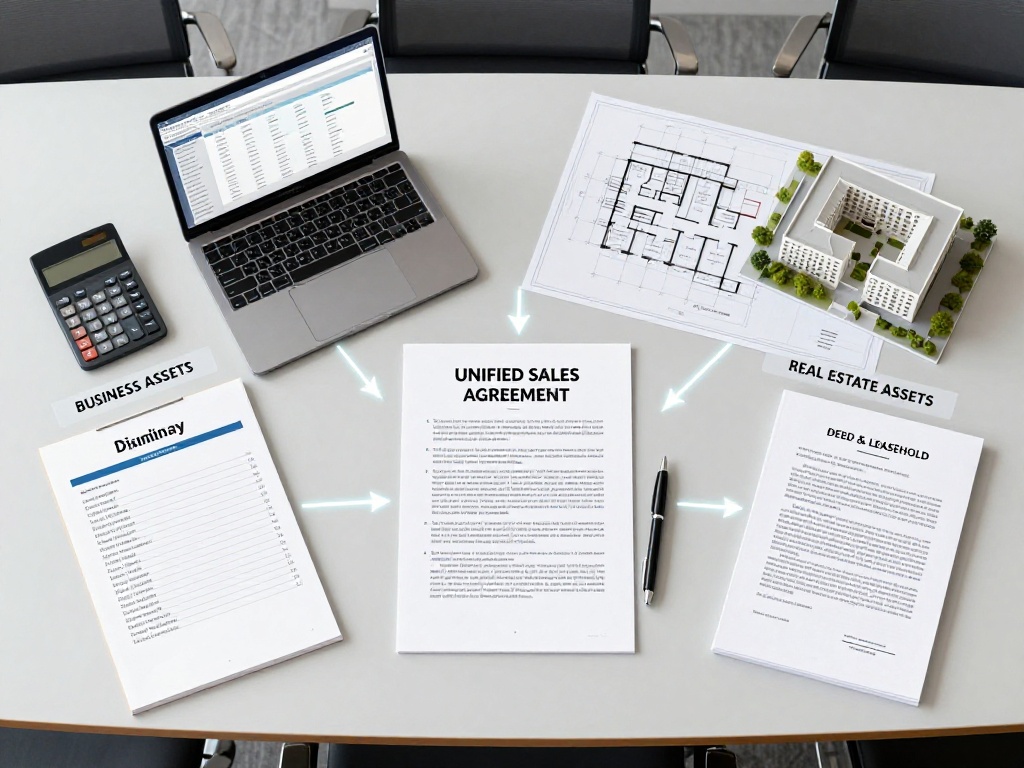
The sale can be structured as one transaction or two, and that choice drives taxes, financing, and risk. In a single deal, you buy the company that owns both the business and the building, which is simplest but may hide problems in either asset. In a split deal, you buy the operating business from one party and the real estate from another, which adds complexity but gives you cleaner ownership of each piece.
The type of real estate matters just as much as the structure. A freestanding building with its own parking, a unit inside a strip mall with a shared roof, and a leased space with years remaining are three very different assets. When buying a business with real estate included, inspect what you are actually getting, because the condition, ownership, and legal status of the property shape everything that follows.
You also need to separate the value of the business from the value of the building. Sellers routinely bundle them and ask one price, but your lender, your tax advisor, and the market all see them differently. Request a valuation that splits the purchase price into the business portion and the real estate portion, so you can finance each piece on its own terms when buying a business with real estate included.
The Pros of Buying a Business with Real Estate Included
Owning the building removes the biggest variable in many small businesses: the landlord. No rent reviews, no lease renewals, no risk of being asked to leave when the lease ends. Buyers who are tired of negotiating with landlords every few years often prefer buying a business with real estate included for exactly this stability, and the property becomes an asset that appreciates while the business operates inside it.
The real estate also adds collateral value. Lenders view real estate as strong security, so a purchase that includes the building is often easier to finance than a pure business acquisition, and you may get a better interest rate. If the business struggles, the building still has value you can sell or borrow against, which is a cushion you simply do not have when you rent.
There is also a control advantage. As the owner of the property, you control renovations, signage, parking, and expansion without asking permission. That freedom can be worth real money in businesses where the building needs constant improvement, and it is one of the quiet benefits of buying a business with real estate included instead of leasing the same space.
The Cons and Risks You Need to Plan For
The biggest risk is concentration. Your cash, your income, and your equity all sit in one building in one location, and if the neighborhood declines or the property needs a new roof, you absorb the whole loss. Buyers who appreciate diversification understand that buying a business with real estate included puts both eggs in one basket, and they plan for that risk before closing.
Maintenance is the second real cost. As a tenant, you call the landlord when the HVAC fails; as an owner, you pay for it. Roofs, parking lots, plumbing, and code upgrades are expensive, and the seller may have deferred them for years. Budget a property reserve based on a professional inspection when buying a business with real estate included, or the first repair could wipe out your working capital.
Taxes are the third surprise. Property taxes rise with the new assessed value, insurance costs more on an owned building, and the sale itself may trigger capital gains for the seller that they try to shift onto you. A tax advisor who models the property ownership should be part of your team whenever you are buying a business with real estate included, because the numbers are materially different from a lease.
Insurance deserves its own line in the budget. Commercial property insurance, liability coverage, and business interruption insurance all change when you own the building, and lenders require coverage equal to the replacement cost. Get quotes from a commercial broker before you make an offer, because the premium is a recurring cost that never disappears. Adding realistic insurance numbers to your plan is part of taking ownership seriously when buying a business with real estate included.

How the Real Estate Changes the Purchase Price
The building should be valued separately from the business using different methods. The business gets a multiple of earnings, while the real estate gets an appraisal based on comparable sales and rent. Adding the two together gives you a fair combined price, but only if the business rent is set at market rates, because an inflated rent shrinks the business earnings and an inflated building price bloats the total.
Sellers often set the rent below market to make the business look more profitable, then sell the building at a premium that captures the difference. When buying a business with real estate included, recast the financials at a market rent before valuing the operation, and pay for the building at its true appraised value. That single adjustment prevents you from overpaying twice on the same asset.
Check the debt on the property as well. If the seller has a mortgage on the building, the loan may have restrictions on transfer, a prepayment penalty, or an interest rate far below today’s market. Buying the property subject to that loan can be a bargain, but only if you verify the terms in writing before you commit, which is standard practice when buying a business with real estate included.
How to Finance Buying a Business with Real Estate Included
Financing changes because real estate loans are based on the property value, not the business cash flow. An SBA 7(a) loan can cover both the business and the building, while a 504 loan is designed specifically for real estate and equipment, with longer terms and lower down payments. Compare both options carefully, because buying a business with real estate included may qualify you for financing that a lease does not.
Banks also want to see that the building supports its own debt. The rent you would pay as a tenant becomes the income that repays the property loan, so lenders evaluate the deal as both a business loan and a real estate loan. Prepare a rent comparison and a property appraisal before you apply, and you will shorten the approval process considerably when buying a business with real estate included.
The down payment is usually higher for real estate, often twenty percent or more of the property portion, but longer terms soften the monthly cost. Some buyers use two loans: a business loan for the operations and a separate commercial mortgage for the building. Whatever structure you choose, get both rates and terms in writing from lenders who understand buying a business with real estate included, because the two loans behave very differently.
Due Diligence: Inspect the Property Before You Buy
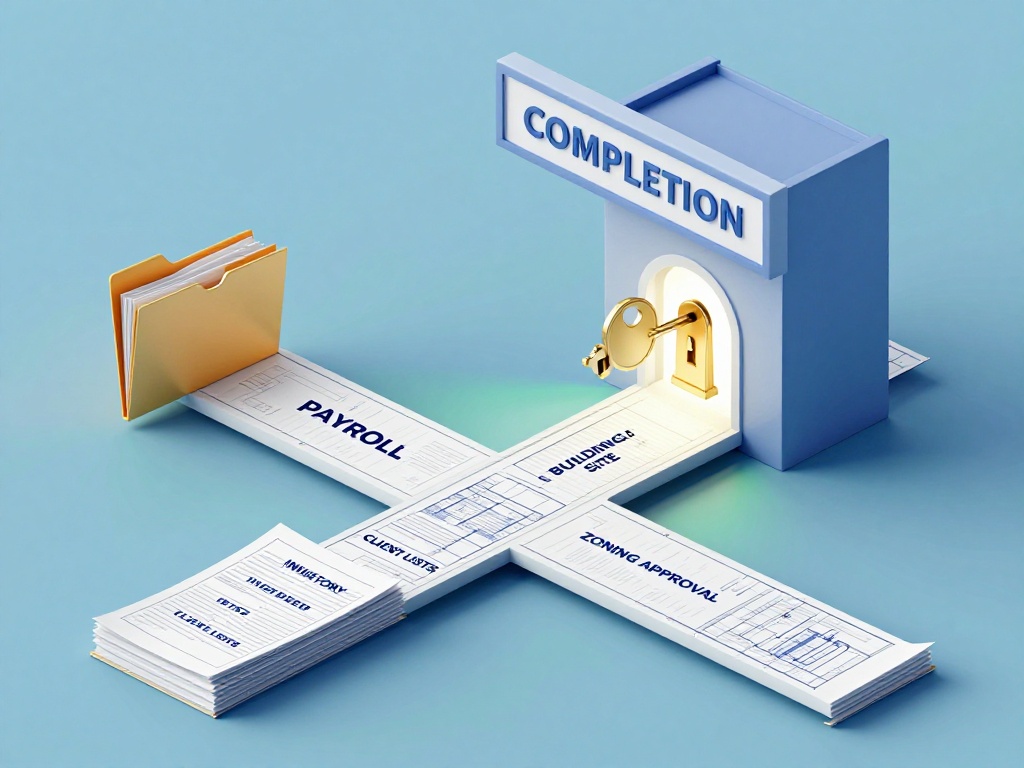
Run a full property inspection before you sign anything, not just a walk-through with the seller. Hire a licensed inspector to check the roof, foundation, HVAC, electrical, plumbing, and parking lot, and ask the seller for maintenance records from the last three years. When buying a business with real estate included, the inspection report is the document that protects you from inheriting a money pit disguised as a bargain.
Environmental issues deserve special attention because they can be disqualifying. An underground storage tank, old asbestos, or contaminated soil can cost hundreds of thousands to remediate, and liability can follow the property for decades. Order a Phase I environmental assessment on any commercial property, and make the purchase conditional on its results when buying a business with real estate included.
Check the zoning and permits too. Confirm that the current use is legal under local zoning, that the building has certificates of occupancy, and that the seller’s permits will transfer to you. A restaurant or auto shop running on expired permits is a risk you must resolve at closing, not discover later, which is why permitting diligence is part of every serious plan for buying a business with real estate included.
Ask about the property records before the inspection even starts. Confirm the legal description, the parcel number, easements, and any covenants that limit the use of the land, and request copies of the last three years of tax bills. Boundary disputes and access rights are the kind of quiet problems that surface only when you try to use the space. Knowing these details early protects you during buying a business with real estate included, because the property is only as good as the title behind it.
Should You Buy the Business and the Building in One Deal?
For many owners, owning the building is the right call because it locks in occupancy costs and builds equity over time. For others, the capital is better spent growing the business, and renting keeps the balance sheet light. The decision depends on your cash position, your plans for the location, and whether the building is genuinely worth owning, so weigh those factors before buying a business with real estate included.
Consider your exit as well. A business with its own building is harder to sell, because a buyer must have the capital for both, but it often sells for a higher total price to the right buyer. If you plan to pass the business to family or hold it for decades, owning the property makes sense. If you want a fast exit, a clean lease may serve you better than a building you will struggle to sell separately.
Frequently Asked Questions
Here are the answers to the questions buyers ask most often about buying a business with real estate included. Use them to structure your offer with confidence.
🏢 Business + Real Estate Purchase FAQ
Is buying a business with real estate included better than leasing the building?
It depends on your goals. Owning the building locks in your occupancy cost and builds equity, but it concentrates risk and ties up capital. Leasing keeps your cash free for the business but exposes you to rent increases and lease renewals. Compare both paths with a professional before deciding.
Can one loan finance buying a business with real estate included?
Yes. SBA 7(a) loans can fund the business and the building together, while SBA 504 loans target real estate and equipment with longer terms. Conventional lenders also offer combined deals. Compare loan types because the terms, down payments, and closing costs differ significantly.
How do I value the business and the real estate separately?
Value the business on a multiple of recast earnings and the property on an appraisal of comparable sales. Recast the rent at market rates first, so one asset does not inflate the other. Adding the two appraised values gives you a defensible total purchase price.
What inspections are essential when buying a business with real estate included?
A licensed property inspection covering the roof, foundation, HVAC, electrical, and plumbing, plus a Phase I environmental assessment and a zoning and permits review. These three checks protect you from deferred maintenance, contamination, and illegal uses before you close.
@type: FAQPage ·
4 questions
📋 JSON‑LD embedded in original block
Final Thoughts on Buying a Business with Real Estate
Buying a business with real estate included is a bigger decision than buying a business alone, because you take on a second asset with its own financing, taxes, and risks. Treat the property as a separate acquisition inside the deal, value it on its own, and inspect it like you would if you were buying the building without the business. That discipline turns a complicated purchase into a manageable one.
The right structure depends on your goals. If stability and long-term ownership matter most, the building is a valuable addition that pays off over decades. If flexibility and liquidity matter more, ask the seller whether the real estate can be leased instead. Either way, understand the choice fully, because buying a business with real estate included is a commitment that outlasts the closing day.
Keep your advisors involved from the start. A lawyer who handles both business and real estate transactions, an appraiser who knows the local market, and a lender who understands combined deals will each catch issues the others miss. The small cost of professional review is nothing compared with the price of a mistake when buying a business with real estate included.
Conclusion: Buying a Business with Real Estate Included
You now know that buying a business with real estate included means valuing and financing two assets, inspecting the property as carefully as the books, and deciding deliberately whether owning the building serves your goals. Add the property inspection, a market-rent recast, and an environmental review to your due diligence, and structure the deal so the real estate supports the business instead of burdening it.
For the wider picture, read our guide on how to value a small business for sale and the due diligence checklist for buying a business. For official guidance on business acquisition loans and commercial property, the U.S. Small Business Administration website is a useful starting point.
Before closing, get every promise about the property in writing. Repairs the seller agreed to make, equipment that stays with the building, and the allocation of the purchase price between business and real estate all belong in the final agreement. A written allocation protects you at tax time and gives your lender the numbers they need, so never rely on verbal assurances when buying a business with real estate included.
Finally, run the numbers on both ownership paths side by side. Build a simple five-year comparison of total cost under ownership and under a lease, including taxes, insurance, maintenance, and expected appreciation. Most buyers who do this exercise find that the answer is not obvious, which is exactly why buying a business with real estate included deserves this level of analysis before you commit.
Keep your financing timeline realistic. Real estate transactions close more slowly than business-only sales, because appraisals, title work, and environmental reviews all take time, and lenders need weeks to underwrite the property portion. Build that extra time into your agreement and ask the seller for flexibility on the closing date. A buyer who rushes the process is more likely to make a costly mistake when buying a business with real estate included.