Many business owners discover only at exit time that they do not actually own the space their business occupies; they own a leasehold interest, a valuable legal right that can be sold or transferred. Understanding how to sell a business leasehold interest properly is the difference between walking away with real value and leaving money on the table. This guide covers what a leasehold interest is, what it is worth, and the exact steps to sell business leasehold interest to a new owner without legal trouble.

A leasehold interest is the tenant’s right to occupy and use a property for a fixed term under a lease. When the business operates from that property, the leasehold interest travels with the business sale, and it can be sold separately in some cases. Learning to sell business leasehold interest means understanding the contract, the landlord’s rights, and the value locked inside a piece of paper that many owners overlook.
What Is a Business Leasehold Interest, Exactly?
The leasehold interest is the bundle of rights the lease gives you: the right to possess the space, to conduct your business there, and to transfer that right with the landlord’s consent. It is a real property interest, recognized in law, and it has value the way any asset has value. When you sell business leasehold interest, you are selling those rights to someone who will step into your position as tenant.
The value depends on the lease’s terms more than the building itself. A long remaining term at below-market rent is valuable because the tenant is paying less than the space is worth. A short term at an above-market rent may have little or no value at all. Appraising the leasehold interest is the first serious step, because it tells you what price is fair when you sell business leasehold interest to a buyer.
Owners often confuse the leasehold interest with the goodwill or equipment of the business. The interest is about the property right only, not the customer list or the espresso machine. Separating the two matters for pricing and for taxes, so a professional who understands commercial real estate should help you identify the exact asset you hold before you try to sell business leasehold interest on your own.

When Selling a Business Leasehold Interest Makes Sense
The most common scenario is a business sale where the buyer wants the same location. The seller assigns the lease to the buyer as part of the deal, and the leasehold interest is included in the purchase price. In that case you are not selling the interest alone; it rides along with the operations, and the assignment needs the landlord’s approval before you can sell business leasehold interest cleanly.
Selling the interest separately makes sense when the business itself is finished but the lease is still valuable. If you have five years left at a rent far below market, a restaurant or shop that wants your space may pay for the right to take it over. This is a true leasehold sale, and it can recover a surprising amount of your investment when you sell business leasehold interest after closing the business.
There is also the reverse situation, where the lease is a liability. If the rent is above market, the business has closed, and the term has years to run, the leasehold interest may have negative value, and the landlord may be willing to accept an early surrender. Knowing which situation you are in is essential, because trying to sell business leasehold interest as if it were an asset wastes everyone’s time, and an experienced broker can tell you honestly which camp your lease falls into.
What a Business Leasehold Interest Is Worth
Leasehold interest is valued by comparing your rent with the market rent for the same type of space. If you pay $2,000 a month and the market rate is $3,000, the interest produces a saving of $12,000 a year, and a buyer will pay for that saving. A common approach is to multiply the annual saving by the remaining years, then discount for the risk that the landlord refuses the assignment, which directly affects what you can sell business leasehold interest for.
The remaining term sets the ceiling. A lease with two years left is worth much less than one with ten years left, even if the rents are identical, because the buyer has less guaranteed time at the low rate. Renewal options add value if they are enforceable and at a predictable rent. When you sell business leasehold interest, the term structure is the single biggest driver of the price you can ask.
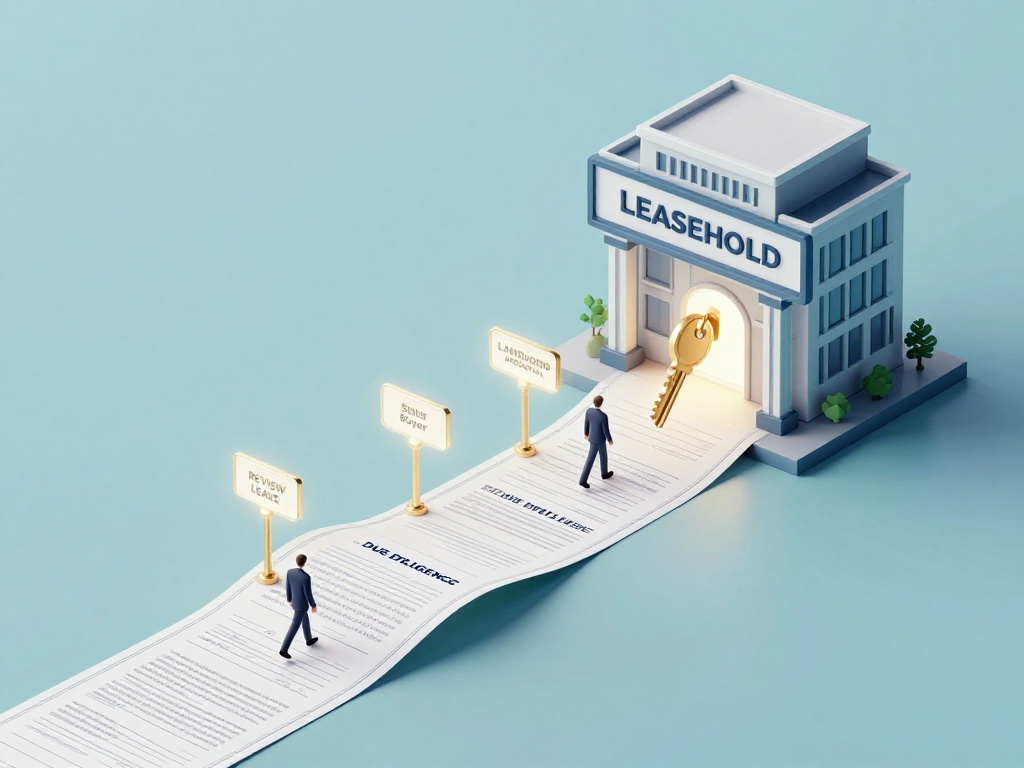
The landlord’s attitude also shapes value. If the lease allows assignment with reasonable consent, buyers will pay a fair price. If the landlord can refuse for any reason or will demand a rent increase on transfer, the interest is worth far less, because the buyer faces real uncertainty. Before you list, get a written indication from the landlord about their position, because it determines whether you can realistically sell business leasehold interest at all.
The Landlord’s Consent: The Gate That Decides Everything
Almost every commercial lease requires the landlord’s written consent before the tenant can assign or transfer the lease. That consent clause is the gate through which every sale must pass, and it is the first thing your lawyer reads before you agree to any deal. You cannot simply sell business leasehold interest to whomever you like; the landlord must accept the buyer as the new tenant.
Review the exact wording of the consent clause. Some leases say consent cannot be unreasonably withheld, which gives you strong protection. Others give the landlord absolute discretion, which means they can block the deal for any reason. A lease with a transfer fee clause will also cost money, so factor the fee and the landlord’s legal costs into your numbers before you set the asking price for the leasehold interest.
Present the buyer properly to the landlord. Landlords want a tenant with solid credit, a business plan that fits the space, and the financial strength to pay the rent. Prepare a short package with the buyer’s financials and business background, and submit it formally. A clean, professional presentation is often the difference between a smooth consent and a stalled sale when you sell business leasehold interest to a new owner.
How to Sell a Business Leasehold Interest: Step by Step
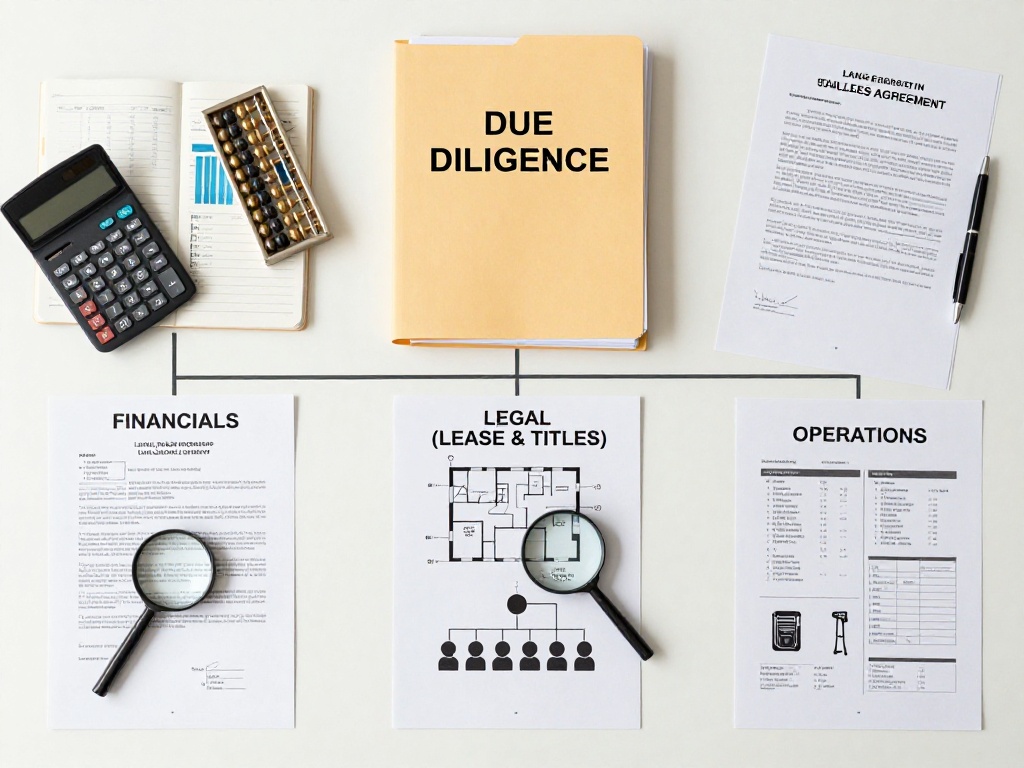
Start by reading the lease and marking every clause about assignment, subletting, consent, fees, and use restrictions. Share those clauses with a real estate attorney who has handled leasehold transfers, because the drafting details decide what you can and cannot do. This first step tells you whether the transaction is even possible before you invest in marketing the interest.
Next, get the interest appraised by someone who values commercial leasehold estates. Use the appraisal to set a realistic asking price, and gather the paperwork buyers will want: the lease, the last three years of rent statements, the building condition report, and evidence that the rent is below market. A complete file shortens the negotiation dramatically and protects you when you sell business leasehold interest.
Market the interest to the right audience. Existing competitors in the area, businesses that match the building’s use, and brokers who deal in commercial assignments are the natural buyers. If the business is still operating, the buyer is usually the next owner of the business itself. If the business has closed, the audience is anyone who wants the location and the low rent, and you can sell business leasehold interest through a commercial broker.
Negotiate the deal and document it properly. The transfer is usually done by a formal assignment of lease, which requires the landlord’s consent in writing and often a deed-like document. Have the attorney draft the assignment so it releases you from future liability or caps it at a defined period. A clean assignment protects you for years, which is the real goal when you sell business leasehold interest.
Tax Treatment When You Sell a Business Leasehold Interest
Selling a leasehold interest has tax consequences that surprise many owners. The interest is considered a capital asset if you have held it for more than a year, so the profit is taxed as a capital gain rather than ordinary income. That difference can be large, and it is one more reason to structure the sale deliberately before you sign anything, because how you sell business leasehold interest affects your after-tax proceeds.
Your basis in the leasehold interest matters too. If you paid for the lease when you bought the business, that payment becomes part of your basis and reduces the taxable gain. If you inherited the lease as part of a business purchase, your records should show how much of the purchase price was allocated to the lease. Keep those documents, because they determine the tax bill when you sell business leasehold interest.
Work with a CPA before you finalize the price. Leasehold transfers can be structured as an assignment, a surrender, or part of a larger business sale, and each has different tax outcomes. A CPA who has seen leasehold transactions will also flag state and local transfer taxes that can add thousands to the closing costs, so the advice pays for itself when you sell business leasehold interest.
Common Mistakes When Selling a Business Leasehold Interest
The biggest mistake is ignoring the landlord until a buyer is found. Some leases let the landlord cancel the lease or demand a rent increase on assignment, which can destroy the value you thought you were selling. Introduce the landlord to the plan early, because you cannot sell business leasehold interest if the landlord can simply refuse or reset the terms on a whim.
Another mistake is forgetting the personal guarantee. If you personally guaranteed the lease, an assignment does not automatically release you; the landlord must agree to release you in writing, and many will not without a replacement guarantee from the buyer. Negotiate that release as part of the deal, because a leasehold sale that leaves you exposed is a bad deal no matter what price you get.
Overpricing is the third classic error. Owners anchor on what they paid for the business or what the building is worth, neither of which equals the leasehold value. Buyers will pay only for the below-market rent advantage, discounted for risk, so a realistic appraisal beats an emotional number. Price the interest like a professional, and you will actually sell business leasehold interest instead of letting it sit on the market.
Alternatives to Selling: Assign, Surrender, or Hold
If a buyer for the leasehold interest does not appear, an early surrender may be your best option. Negotiate with the landlord to end the lease early in exchange for a payment, the return of the security deposit, or a release from the guarantee. Surrender is not a sale, but it can cap your losses, and it is often the pragmatic choice when you cannot sell business leasehold interest.
Holding is an option when the business is still operating and the lease is a real advantage. The leasehold interest supports the business value, so including it in a future business sale may return more than selling it alone. Compare the standalone sale price with the value added to a business sale, and choose the path that maximizes your total proceeds, which may mean refusing to sell business leasehold interest separately.
Frequently Asked Questions
Here are the answers to the questions owners ask most often about how to sell business leasehold interest. Use them to protect the value in your lease.
📄 Leasehold Interest Business Sale FAQ
Can I sell business leasehold interest without the landlord’s permission?
Only if your lease has no assignment restriction, which is rare. Most commercial leases require the landlord’s written consent before any transfer, and breaking that rule can allow the landlord to terminate the lease. Read the clause carefully and get consent in writing before you close.
How is the value of a business leasehold interest calculated?
The value is the difference between your contract rent and the market rent, multiplied by the remaining term and discounted for risk. A lease at below-market rent has positive value; one at above-market rent may have none. An appraisal from a commercial property professional gives you a defensible number.
What happens to my personal guarantee when I sell business leasehold interest?
The assignment alone does not release you. The landlord must agree to release or limit your guarantee in writing, and they will usually ask the new tenant to provide their own. Negotiate this release explicitly as part of the sale agreement.
Are the proceeds from selling a business leasehold interest taxable?
Yes. The interest is usually a capital asset, so profit is taxed as a capital gain if you held it for more than a year. Your basis and the deal structure change the outcome, so have a CPA review the transaction before you finalize the price.
@type: FAQPage ·
4 questions
📋 JSON‑LD embedded in original block
Final Thoughts on Selling a Business Leasehold Interest
A business leasehold interest is a real asset with real value, and owners who understand it protect it like any other piece of the business. Review your lease early, know whether the rent is below or above market, and get the landlord involved from the start. Those three moves determine whether you can sell business leasehold interest for a fair price or surrender it at a loss.
Professional help is not optional on this transaction. A commercial real estate attorney reads the assignment clause, a broker finds the right buyer, and a CPA handles the tax structure. The combined cost is small compared with the value these advisors protect, and each one catches risks that would otherwise land on you after the closing, which is why owners who sell business leasehold interest with a full team consistently net more.
Finally, keep the records from the sale forever. The assignment documents, the landlord’s consent letter, the appraisal, and the tax filing all become part of your financial history, and you will need them if the buyer defaults, the landlord claims unpaid rent, or the IRS asks questions. A complete file turns a complicated transaction into a finished chapter when you sell business leasehold interest.
Conclusion: Sell Business Leasehold Interest the Right Way
You now know that selling a business leasehold interest requires understanding the lease, valuing the below-market rent, securing the landlord’s consent, and handling the tax consequences with care. Start by reviewing your lease clauses, appraise the interest, and build a complete package for buyers. Done properly, selling business leasehold interest turns a right you almost forgot into one of the better parts of your exit.
For the wider picture, read our guide on taking over a lease when buying a business and the how to value a small business for sale guide. For official guidance on commercial leases and business transfers, the U.S. Small Business Administration website is a useful starting point.
Timing matters as much as paperwork. A leasehold interest at below-market rent is most valuable when the market is rising, so check where rents are heading before you set the price. If rents are climbing, the interest is worth more today than the appraisal suggests, and you may want to sell quickly; if rents are falling, the buyer will want a discount, and you should prepare for that conversation.
Talk to the landlord about a potential direct renewal as well. Some buyers prefer to negotiate a fresh lease directly with the landlord rather than inherit yours, which changes the value of the assignment. If that is on the table, your leasehold interest may be worth less than you think, because the buyer can get the space without your lease, a reality you must face before you set your price.