
Investing in an apartment complex for sale stands as one of the most proven and profitable strategies in commercial real estate. Furthermore, multi-family residential properties consistently generate predictable rental revenue, strong capital appreciation, and substantial tax advantages. Consequently, accredited investors, private equity firms, and institutional buyers actively seek out an apartment complex for sale to expand their income-producing portfolios. Therefore, acquiring an established multi-family property allows buyers to secure steady cash flows while leveraging long-term demographic tailwinds across expanding urban and suburban rental markets.
However, successfully acquiring and managing a multi-family property requires rigorous underwriting, location evaluation, financial auditing, and physical due diligence. In this ultimate investment guide, we examine every critical phase of buying a multi-family asset, ranging from capitalization rate calculation and rent roll analysis to commercial financing options and asset management strategies.

Why Invest in an Apartment Complex for Sale?
Commercial multi-family housing offers unique advantages compared to single-family rental properties or commercial office space. Furthermore, housing remains a fundamental human necessity, providing exceptional demand stability during fluctuating economic cycles. Therefore, acquiring a multi-family complex provides investor portfolios with robust downside protection and consistent quarterly cash distributions.
First, multi-unit properties provide economies of scale. Managing fifty or one hundred units under a single roof significantly reduces per-unit operational costs for maintenance, property management, insurance, and lawn care. In contrast, managing dispersed single-family homes incurs higher logistical expenses and administrative friction. Consequently, buying an apartment complex for sale maximizes operational efficiency.
Second, multi-family assets mitigate vacancy risk. If a tenant moves out of a single-family rental home, the property suffers a total revenue loss of 100%. Conversely, when one tenant vacates an 80-unit apartment complex for sale, the facility retains a 98.75% occupancy rate, ensuring debt service coverage remains uninterrupted.
Third, multi-family real estate enables forced equity creation through net operating income (NOI) enhancement. Unlike single-family homes valued strictly on residential market comps, a commercial asset is valued primarily based on its NOI divided by prevailing market capitalization rates. Therefore, increasing rental income or reducing operating expenses directly elevates total asset valuation.
Fourth, institutional and private lenders offer favorable financing terms for multi-family real estate. Agencies such as Fannie Mae and Freddie Mac provide non-recourse loans with competitive interest rates and extended amortization periods for a qualified commercial housing asset.
Fifth, multi-family housing acts as an effective hedge against inflation. Because residential leases typically run for 12-month terms, property owners can adjust rental rates annually to match or exceed regional inflation trends, preserving purchasing power and real investment yields over time.
Key Financial Metrics for Multi-Family Underwriting
Thorough financial underwriting is essential when evaluating any prospective multi-family asset. Investors must analyze historical income statements, property tax assessments, utility expenses, and current rent rolls to determine true net operating income.
First, calculate Gross Potential Rent (GPR) and Net Operating Income (NOI). Subtract vacancy loss, concessions, bad debt, and operating expenses from total gross revenue. Operating expenses typically encompass property management fees, property taxes, building insurance, water and sewer utilities, trash removal, maintenance, and capital reserve allocations for a multi-family asset.
Second, evaluate Capitalization Rates (Cap Rates). The cap rate represents the ratio of Net Operating Income to the purchase price of an apartment complex for sale. Comparing property cap rates with regional market averages reveals whether an asset is priced competitively relative to local market risk.
Third, examine the Debt Service Coverage Ratio (DSCR). Lenders generally require a minimum DSCR of 1.25x to ensure property cash flows comfortably exceed monthly principal and interest payments for an apartment complex for sale.
Fourth, analyze Cash-on-Cash Return and Internal Rate of Return (IRR). Calculating initial cash returns alongside projected five-to-ten-year equity growth helps investors align property performance with specific yield expectations when purchasing multi-family commercial housing.
Fifth, inspect current rent rolls against surrounding market comps. Identifying properties with below-market rents presents immediate value-add potential through unit renovations and lease restructuring upon acquiring a multi-family property.
Sixth, review historical delinquency rates and utility bill-back ratios. Evaluating tenant payment discipline and utility expense recovery mechanisms provides transparent insight into true net cash flow reliability.
Evaluating Location, Demographics, and Submarket Trends
Location remains the single most critical factor determining long-term appreciation and tenant demand for an apartment complex for sale. Superior locations consistently command higher occupancy rates, attract creditworthy tenants, and sustain rental growth over long holding periods.
Analyze local employment growth, population expansion, and median household income trends. Municipalities benefiting from corporate relocations, diverse job markets, top-tier school districts, and major infrastructure projects create optimal environments for investing in a commercial multi-family property.
Additionally, assess proximity to transportation hubs, retail centers, medical facilities, and major employment centers. Tenants prioritize short commute times and walkable amenities, making suburban transit-oriented developments highly desirable for an apartment complex for sale.
Investigate municipal supply pipelines and new construction permits. Submarkets with high barriers to entry or restrictive zoning laws protect existing owners from oversupply risks that could otherwise depress rental rates for an apartment complex for sale.
Evaluate school district rankings and crime statistics. Family-oriented multi-family communities located in top-rated school zones experience lower turnover rates and longer average tenant stays when operating an apartment complex for sale.
Assess historical job growth diversity across multiple employment sectors. Markets dependent on a single major employer carry higher economic risks than metropolitan areas supported by technology, healthcare, education, and logistics hubs.

Physical Due Diligence and Property Inspections
Physical due diligence prevents costly unexpected capital expenditures post-closing. Hiring licensed commercial structural engineers, roof inspectors, and environmental consultants is mandatory when evaluating an apartment complex for sale.
First, conduct a comprehensive structural and building envelope audit. Inspect roof membranes, exterior brick cladding, balcony railings, stairwells, and foundation walls for structural integrity or water intrusion issues across the property.
Second, perform mechanical, electrical, and plumbing (MEP) system assessments. Inspect central boilers, chiller units, individual HVAC split systems, electrical subpanels, and plumbing riser stacks throughout the building. Replacing aging HVAC systems or galvanized piping can require substantial capital outlays.
Third, order a Phase I Environmental Site Assessment (ESA). The Phase I ESA identifies potential historical contamination, underground storage tanks, or hazardous materials on or adjacent to the residential property site.
Fourth, inspect 100% of individual residential units. Auditing unit conditions allows buyers to verify tenant care, identify hidden water leaks, check appliance functionality, and document necessary deferred maintenance for a commercial property.
Fifth, assess asphalt parking lots, exterior lighting fixtures, perimeter fencing, and swimming pool facilities. Ensuring outdoor common elements meet municipal safety codes prevents post-closing code enforcement penalties for a residential multi-family building.
Sixth, evaluate fire alarm systems, smoke detectors, and emergency lighting. Ensuring code compliance across life safety systems safeguards tenant welfare and maintains commercial insurance eligibility.
Commercial Financing Options for Buyers of an Apartment Complex For Sale
Securing competitive debt financing is vital for optimizing equity returns when purchasing an apartment complex for sale. Multi-family buyers can access diverse loan structures tailored to different investment strategies.
First, Agency Loans (Fannie Mae and Freddie Mac) offer non-recourse financing with up to 75-80% Loan-to-Value (LTV), 30-year amortization, and fixed interest terms ranging from 5 to 30 years for a qualified apartment complex for sale.
Second, HUD/FHA Commercial Loans provide ultra-long 35-to-40-year fully amortizing non-recourse debt with low interest rates, making them ideal for long-term buy-and-hold investors acquiring an apartment complex for sale.
Third, Commercial Real Estate Bridge Loans cater to value-add investors purchasing distressed or underperforming properties. Bridge loans provide short-term capital covering both property acquisition and unit renovation expenses for an apartment complex for sale.
Fourth, Local Regional Bank and Credit Union Financing offers flexible recourse loans with competitive underwriting criteria and minimal closing fee structures for a mid-sized apartment complex for sale.
Work with experienced commercial mortgage brokers to negotiate loan covenants, prepayment penalty structures, and interest-only periods when acquiring an apartment complex for sale.
Evaluate lender liquidity covenants and net worth requirements carefully. Preparing financial statements and liquidity verification documents in advance streamlines loan committee approval workflows.
Value-Add Strategies to Increase Net Operating Income
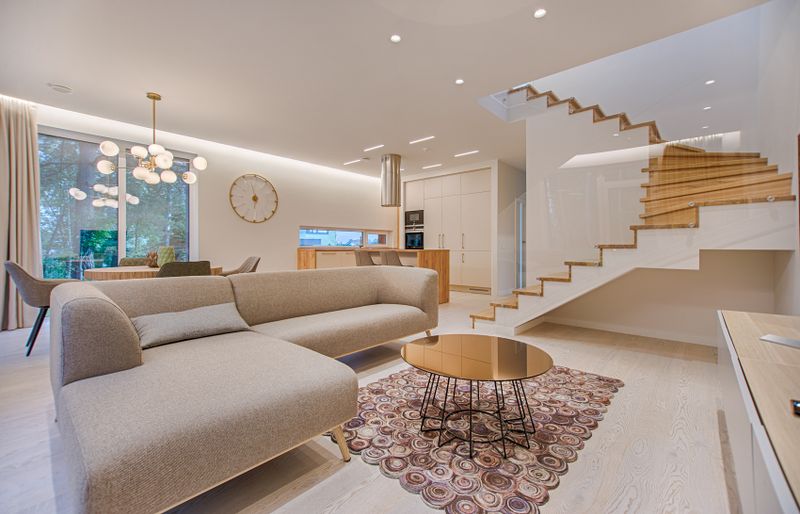
Implementing value-add business plans represents the fastest path to compounding equity in an apartment complex for sale. Modernizing interior finishes and optimizing operations allows owners to raise rents to market rates while driving enterprise valuation upward.
First, execute interior unit renovations. Installing quartz or granite countertops, modern cabinetry, stainless steel appliances, luxury vinyl plank (LVP) flooring, and updated lighting fixtures allows owners to command premium rental premiums across a multi-unit property.
Second, enhance exterior curb appeal and common area amenities. Adding fitness centers, dog parks, outdoor grilling stations, co-working lounges, and package locker systems increases tenant satisfaction and retention in an apartment complex for sale.
Third, implement Ratio Utility Billing Systems (RUBS). Transitioning water, sewer, trash, and gas utility expenses directly to tenants substantially lowers operating costs and directly boosts NOI for an apartment complex for sale.
Fourth, introduce auxiliary income streams. Monetizing reserved covered parking spaces, storage lockers, pet rent, laundry facilities, and high-speed community Wi-Fi generates significant high-margin revenue across an apartment complex for sale.
Fifth, optimize property management software workflows. Automated rent collection, online portal maintenance ticketing, and digital lease renewals reduce administrative labor while accelerating cash collection for an apartment complex for sale.
Sixth, install energy-efficient LED lighting, low-flow plumbing fixtures, and smart thermostats across all units. Lowering utility consumption reduces operating expenses and enhances property sustainability profile.
Property Management and Operational Execution
Selecting the appropriate property management structure is critical for preserving asset quality and sustaining high occupancy rates in an apartment complex for sale. Owners must choose between third-party professional management companies and self-management.
Professional third-party management firms charge 3% to 6% of gross collected revenue and handle tenant screening, rent collection, emergency maintenance, vendor coordination, and legal eviction procedures for an apartment complex for sale.
Alternatively, hands-on investors purchasing smaller 10-to-40-unit properties may self-manage using cloud-based property management software to save management fees and maintain direct oversight of their asset.
Enforce strict tenant screening criteria. Verifying credit history, criminal background checks, income proof (minimum 3x monthly rent), and landlord references ensures low default rates and preserves community standards across an apartment complex for sale.
Establish proactive preventive maintenance schedules. Servicing HVAC units, inspecting fire suppression systems, and cleaning gutter systems regularly avoids costly emergency repairs across an apartment complex for sale.
Maintain consistent communication through tenant portals and digital newsletters. Responsive management fosters community trust and significantly lowers annual tenant turn rates.
Tax Advantages of Multi-Family Real Estate Investment
Investing in multi-family housing provides extraordinary tax shelter benefits protected under federal tax codes for an apartment complex for sale.
First, depreciation deductions allow owners to offset substantial portions of rental income against paper depreciation losses. Residential real estate structures are depreciated over 27.5 years for an apartment complex for sale.
Second, Cost Segregation Studies accelerate depreciation benefits. Identifying short-life personal property elements (carpet, appliances, fencing, land improvements) allows owners to claim bonus depreciation in year one for an apartment complex for sale.
Third, 1031 Tax-Deferred Exchanges enable investors to sell an appreciated property and reinvest 100% of profits into a larger replacement asset without triggering immediate capital gains taxes when trading a multi-family property.
Consult certified public accountants specializing in real estate taxation to maximize available tax deductions and capital preservation strategies for multi-family assets.
Structure holding entities using limited liability companies (LLCs) or limited partnerships to combine tax flexibility with robust asset protection shielding investor liability.
Risk Mitigation and Insurance Strategies
Protecting commercial real estate assets against catastrophic events requires comprehensive risk management policies. Working with commercial insurance brokers specializing in multi-family housing ensures adequate coverage limits for an apartment complex for sale.
Secure replacement cost property coverage, general liability protection, and loss of rental income insurance. Loss of income policies reimburse lost rent for up to 12-24 months during building restoration following covered property damage.
Require all residential tenants to maintain renters insurance policies with minimum personal liability coverage limits. Mandatory renters insurance protects building owners against tenant-caused property damages.
Due Diligence Checklist for Purchasing an Apartment Complex For Sale
Completing thorough legal and administrative due diligence protects buyers from unforeseen liabilities when closing an acquisition. Request historical utility billing statements, service vendor contracts, property tax receipts, and current certificate of occupancy documents.
Thoroughly audit historical tenant lease files. Confirm that security deposits are properly escrowed in designated accounts according to municipal regulations, and verify that signed lease agreements match rent roll terms exactly.
Review active service contracts for elevators, waste management, landscaping, and fire safety systems. Negotiating updated service agreements or competitive vendor bidding often uncovers operational cost savings.
Long-Term Capital Expenditure Planning
Developing a multi-year capital expenditure (CapEx) reserve schedule ensures property structural integrity while protecting long-term equity growth. Reserve allocations should address roof replacements, parking lot asphalt resurfacing, exterior painting, and HVAC upgrades.
Prioritize high-ROI improvements that enhance tenant satisfaction while lowering ongoing maintenance costs. Installing energy-efficient LED exterior fixtures and water-saving plumbing equipment yields immediate utility expense reductions.
Maintain an emergency capital reserve fund equal to three to six months of operating expenses. Having liquid reserves buffers against unexpected storm damages or temporary economic downturns.
Sustainability and Energy Efficiency Upgrades for Multi-Family Assets
Modern commercial real estate investors increasingly focus on environmental sustainability and energy efficiency initiatives to boost net operating income and attract premium tenants. Implementing green building retrofits lowers utility expenses while improving property ESG ratings.
First, install smart water management sensors and low-flow plumbing fixtures across all residential units. Reducing water consumption directly lowers municipal sewer bills, yielding substantial ongoing operational savings.
Second, upgrade exterior lighting to high-efficiency LED fixtures controlled by automated timers and motion sensors. Solar panel installations on building rooftops further reduce common-area electrical costs.
Third, implement comprehensive recycling programs and electric vehicle (EV) charging stations. EV charging stations serve as popular tenant amenities that generate auxiliary fee income while differentiating your property in competitive rental markets.
Frequently Asked Questions
Is buying an apartment complex for sale a good investment?
Yes, acquiring an apartment complex for sale is one of the most reliable wealth-building investments in commercial real estate. Multi-family assets offer predictable recurring cash flow, economies of scale, strong tax benefits through cost segregation, and long-term equity appreciation driven by steady rental demand.
How much down payment is required for an apartment complex for sale?
Down payment requirements typically range from 20% to 30% of the total purchase price depending on lender requirements, loan type (Agency, HUD, Bridge, Bank), property cash flow, and borrower experience when acquiring an apartment complex for sale.
What is a good Cap Rate for an apartment complex for sale?
Ideal cap rates depend on geographic location, asset class (Class A, B, or C), and local market interest rates. Generally, stable Class B and C multi-family properties trade between 5% and 8% capitalization rates, providing attractive risk-adjusted returns for buyers of an apartment complex for sale.
How do I value an apartment complex for sale?
Valuing a commercial multi-family property involves dividing net operating income (NOI) by prevailing local market cap rates. Furthermore, investors perform discounted cash flow analyses, sales comparison appraisals, and replacement cost evaluations when auditing a multi-family housing asset.
Conclusion
In summary, acquiring an apartment complex for sale offers private and institutional investors an unmatched combination of strong cash yields, scale efficiency, and long-term wealth preservation. By performing thorough financial underwriting, completing rigorous physical inspections, implementing strategic value-add unit upgrades, and partnering with experienced property management teams, buyers can build a highly profitable commercial real estate portfolio. Explore current premium listings on our platform today to find the ideal business for sale tailored to your investment mandate. Additionally, browse related opportunities in our retail and commercial directory, or research nationwide market data on IBISWorld Industry Research.