
Owning a pick n pay franchise offers entrepreneurs a proven route into the South African grocery market. Pick n Pay is one of the largest retail chains in the country, with hundreds of stores serving millions of customers every week. This guide explains what a pick n pay franchise costs, how the model works, what the requirements are, and how to run a successful store in 2026.
Franchising remains one of the most reliable ways to enter retail because you trade on an established brand rather than building recognition from zero. A pick n pay franchise brings trained systems, recognised branding, and supplier networks that independent grocers must assemble themselves. Therefore, many South African entrepreneurs see franchising as the smartest route to store ownership.

Why a Pick n Pay Franchise Is a Smart Investment
The Pick n Pay brand carries decades of consumer trust. Shoppers know the logo, the store layout, and the quality expectations. When you open a pick n pay franchise, you inherit that trust instead of building it slowly over many years, which dramatically shortens the time to profitability.
The company also provides substantial support to franchise owners. Training programs, marketing campaigns, and central buying power all operate behind the scenes to benefit your store. Consequently, a pick n pay franchise faces far fewer unknowns than a completely independent venture in the same market.
Food retail is resilient even in difficult economic periods. Households need groceries regardless of the business cycle, which gives grocery franchises a defensive quality. This steady demand is one of the main reasons investors repeatedly choose a pick n pay franchise over other retail categories.
Growth prospects add further appeal. Pick n Pay continues to open stores in underserved neighbourhoods and smaller towns across South Africa. Each new location creates another opportunity for aspiring franchisees to claim a protected trading area and build a long-term family asset.
How a Pick n Pay Franchise Works
Under the franchise model, Pick n Pay licenses its brand, systems, and supply chain to independent operators. The company supports store design, product range, and staff training, while you manage day-to-day operations. This partnership structure defines every aspect of running a pick n pay franchise.
In return for the licence, franchisees pay initial franchise fees and ongoing royalties. These payments cover brand use, central services, and continued support. In exchange, operators receive everything required to trade under one of Africa’s most recognised supermarket names.
The company offers several store formats to match different markets. Large supermarkets serve high-traffic shopping centres, while smaller franchise outlets serve convenience needs in residential areas. Choosing the right format for your location is the first major decision in any pick n pay franchise venture.
Store ownership is not a passive investment. Franchisees manage stock, staff, and customer service daily. Successful operators treat the business as an active career, and the franchise system rewards that commitment with consistent results and growing store value.
Support from the franchisor continues long after the store opens. Area managers visit regularly, sharing best practices and checking operational standards. This ongoing guidance catches small problems before they become large ones, which is why so many franchisees say the network support alone justifies the fees of a pick n pay franchise.
Buying power is another quiet advantage. Because the chain orders in enormous volumes, franchise stores benefit from pricing that small independents cannot access. These savings flow straight through to your margin and let you compete aggressively on everyday prices while still earning a healthy profit.
Technology also works in your favour. Central systems track sales, manage stock, and even forecast demand for each store. With accurate data at your fingertips, you make faster, smarter decisions. This infrastructure is a real advantage that makes a pick n pay franchise easier to operate than a stand-alone supermarket.
How Much Does a Pick n Pay Franchise Cost?
Total investment depends mainly on store size and location. Smaller franchise formats require less capital, while full supermarkets demand significantly more. When you plan a pick n pay franchise, you must budget for the franchise fee, fit-out, equipment, stock, and working capital for the opening period.
Aside from the initial investment, franchisees should expect ongoing costs. Royalties, marketing levies, and rental payments consume a share of monthly revenue. Understanding these commitments before signing prevents cash-flow surprises and keeps the venture on solid ground.
Financing options help qualified applicants cover the initial cost. Banks in South Africa lend against franchise agreements because established brands reduce default risk. A well-prepared business plan and a solid personal credit history improve your chances of securing funding for a pick n pay franchise.
Always obtain a full breakdown of costs in writing before committing. Professional advisers can review the franchise agreement and highlight every fee and obligation. Thorough due diligence ensures that the numbers work before you open the doors.
Requirements to Open a Pick n Pay Franchise
Applicants must meet financial and operational standards. Liquid capital requirements ensure you can survive the early trading months, while retail or management experience helps you lead a store effectively. The franchisor evaluates each candidate carefully because your success protects the whole network.
Personal qualities matter just as much as finances. Franchisees need strong leadership, honesty, and a willingness to follow proven systems. Retail is demanding, and the discipline to manage staff and stock consistently is essential in every pick n pay franchise.
The application process typically includes an interview, financial review, and training programme. Accepted candidates complete comprehensive training before taking over their store. This preparation ensures you understand the systems, the products, and the customer expectations before trading begins.
Location approval is a critical step in the process. The company protects existing stores, so new sites must not cannibalise nearby locations. Securing an approved, well-placed site is often the difference between a profitable pick n pay franchise and a struggling one.
Understanding the customer base around your store shapes your product mix. A store near offices may sell more convenience foods, while a family neighbourhood demands larger pack sizes and baby products. Tailoring the range to local demand lifts sales without requiring extra marketing spend.
Seasonal planning also protects performance. Festive periods, back-to-school weeks, and month-end cycles each bring predictable surges in grocery demand. Ordering early and staffing accordingly lets you capture that volume, smoothing out slower periods throughout the year for the average pick n pay franchise.
Health and food safety standards deserve constant attention. Fresh and chilled products must be stored and displayed at correct temperatures to protect quality and comply with regulations. Reliable refrigeration maintenance and rigorous hygiene routines protect customers and shield you from costly fines.
Insurance is a sensible safeguard for your investment. Cover the building, contents, stock, and public liability to protect against fire, theft, and accidents. The modest premium cost is trivial compared with the damage an uninsured loss can cause to a pick n pay franchise operation.
Profit Potential of a Pick n Pay Franchise
Grocery retail runs on volume, so profit depends heavily on store turnover. A busy store moves enormous volumes of everyday items, which generates meaningful net profit despite thin margins per item. The most successful pick n pay franchise stores earn substantial returns through scale and efficiency.
Profitability improves with careful management of shrinkage, staffing, and stock rotation. Fresh produce and perishable lines demand particular discipline because waste destroys margin quickly. Operators who master these details consistently outperform the network average.
Franchisees also build equity in a saleable asset. An established store with rising sales carries real value, and many owners eventually sell at a premium. This exit value adds a second layer of reward on top of monthly trading profit for every pick n pay franchise owner.
Realistic expectations matter. Supermarkets are not overnight money machines, and early months often deliver modest returns. However, patient operators who build customer loyalty and control costs see their store grow into a dependable, long-term income source.
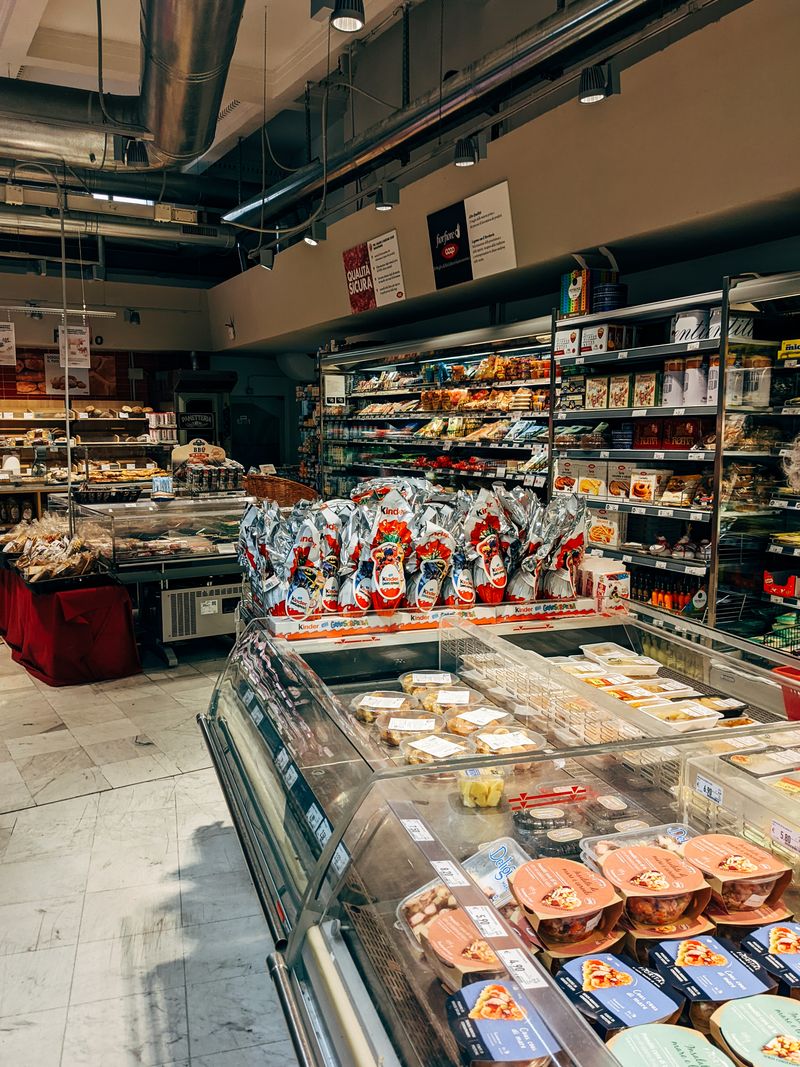
Choosing the Right Location for a Pick n Pay Franchise
Location determines traffic, rent, and ultimately profitability. High-traffic shopping centres deliver volume but carry expensive leases, while neighbourhood sites offer lower costs with steady, loyal customers. The right choice depends on your capital and your target market for the pick n pay franchise.
Foot traffic, parking, population density, and local competition all shape the site decision. Thorough demographic research reveals whether an area can support a full supermarket or whether a smaller format makes more sense. Data-driven decisions prevent costly mistakes.
Rental terms deserve close attention. Long leases with reasonable escalation clauses protect your margins, while aggressive increases can destroy profitability. Negotiating a fair lease is one of the most valuable skills a franchisee can bring to any pick n pay franchise project.
Finally, consider access for delivery vehicles and service contractors. Stores need reliable receiving areas to maintain fresh stock throughout the day. A site that functions well operationally supports the consistent trading performance every franchisee wants.
Stock management is the heart of supermarket profitability. Excess stock ties up cash and can expire, while empty shelves frustrate customers and cost sales. Regular stocktakes, careful ordering, and clear displays keep the balance right. Mastery of this discipline is the single biggest lever in any pick n pay franchise.
Preventing shrinkage demands a layered approach. Secure storage, staff awareness, CCTV, and spot checks all play a part. Most operators find that visible systems deter loss far more effectively than occasional audits. Every percentage point of shrinkage saved drops straight to your bottom line.
Energy costs also affect grocery margins, because refrigeration runs around the clock. Modern, efficient equipment, correct door discipline, and scheduled maintenance reduce consumption noticeably. Small savings on electricity add up substantially over the life of a pick n pay franchise.
Managing Staff in a Pick n Pay Franchise
Your team represents the brand to every customer who walks through the door. Recruiting, training, and retaining good staff is therefore central to success. A well-managed workforce keeps shelves stocked, queues short, and customers returning week after week.
Training should cover product knowledge, customer service, and store procedures from day one. Ongoing coaching keeps standards high and helps staff progress into supervisory roles. Investing in people reduces turnover and builds the stable team every successful pick n pay franchise requires.
Labour regulations in South Africa set clear rules on wages, working hours, and worker rights. Complying fully protects you from disputes and builds staff trust. Clean, professional handling of employment matters is a hallmark of respected franchise owners.
Scheduling becomes especially important during peak trading periods. Planning rosters around weekends and month-end pay cycles ensures enough hands on the floor when demand spikes. Good scheduling balances customer service with labour costs to protect profitability.
Marketing and Customer Loyalty
While the national brand brings customers in, local marketing keeps them coming back. Community promotions, loyalty programmes, and targeted specials create a personal connection that big-box competitors cannot match. Smart operators layer local activity on top of the brand’s national campaigns.
Knowing your customers is the foundation of local marketing. Which products do they buy, when do they shop, and what matters most to them? Answering these questions lets you tailor offers that genuinely serve the community around your pick n pay franchise.
Digital channels extend your reach beyond the storefront. A social media presence, community groups, and online specials keep your store top of mind between visits. Even simple weekly posts about fresh stock and promotions drive noticeable foot traffic.
Service quality is ultimately your best marketing tool. Shoppers return to stores where staff are helpful and checkout is quick. Every positive experience compounds into word-of-mouth growth that no advertising budget can buy.
Challenges and How to Overcome Them
No franchise is risk-free, and awareness of the challenges keeps you prepared. Shrinkage from theft and damage erodes margins, while supplier and pricing pressures squeeze profitability. Successful owners tackle these issues with systems, discipline, and constant attention.
Cash flow requires careful planning, especially early on. Stock purchases, payroll, and rent consume cash before sales are collected. Maintaining adequate working capital and managing credit terms protect the store through seasonal dips in trading.
Competition from other retailers and online grocery services continues to intensify. Respond by emphasising convenience, fresh products, and personal service that digital rivals find hard to match. Adaptation keeps a pick n pay franchise relevant in a changing retail landscape.
Economic conditions also influence grocery spending patterns. During tough periods, shoppers trade down to value ranges and shop more carefully. Franchisees who adjust their product mix to serve this behaviour maintain volume even when budgets tighten.
How to Apply for a Pick n Pay Franchise
The first step is contacting the Pick n Pay franchise division and expressing your interest. You will provide details about your background, finances, and preferred locations. The company then evaluates whether your profile fits the network’s needs.
Preparing a strong application improves your chances. Gather financial statements, management references, and a clear business plan. Demonstrating that you understand retail operations and have the capital required signals that you are ready to run a pick n pay franchise successfully.
Interviews and assessments follow, allowing both sides to decide on fit. The franchisor wants committed, capable partners, and you want a support network you can trust. This two-way evaluation is the foundation of a productive franchise relationship.
Once approved, the process moves to site selection, training, and store fit-out. Each phase is guided by the company’s established procedures. Following the process carefully ensures your store opens on time and starts trading strongly.
Choosing the right store format is worth careful thought. A compact pick n pay franchise fits residential convenience needs and requires less capital, while a full-size supermarket serves a larger catchment and offers higher turnover potential. Reviewing your local market before choosing protects you from over- or under-investing.
Remember that your personal strengths influence the right format too. Some owners thrive on the pace of a large store, while others prefer the manageable scale of a smaller outlet. Matching the format to your experience and energy level is a smart strategy for long-term success.
Finally, build relationships with your franchisor contact from day one. Ask questions, request support, and share results openly. A strong partnership with the network gives you access to advice and opportunities that make every stage of owning a pick n pay franchise more rewarding.
Pros and Cons of a Pick n Pay Franchise
Weighing the benefits against the drawbacks gives you an honest picture. On the positive side, a pick n pay franchise brings brand recognition, proven systems, and central support. These advantages reduce risk and shorten the learning curve for new store owners.
On the other hand, franchise ownership involves ongoing fees, strict brand rules, and significant startup capital. You also accept some limits on your independence, because the network’s standards govern how you run the store.
For many entrepreneurs, the structure is precisely the appeal. The franchise provides a playbook for success that individual effort alone cannot replace. Choosing a pick n pay franchise is ultimately about deciding whether that support justifies the cost and the constraints.

Conclusion
In summary, a pick n pay franchise combines a trusted brand, strong corporate support, and resilient grocery demand. By understanding the costs, meeting the requirements, and managing your store with discipline, you can build a profitable and saleable retail business.
The journey starts with research, honest self-assessment, and a conversation with the franchise team. Whether you open a compact convenience store or a full supermarket, owning a pick n pay franchise remains one of the most rewarding retail opportunities in South Africa in 2026.
Frequently Asked Questions
How much does a pick n pay franchise cost?
Can I finance a pick n pay franchise?
What are the requirements to open a pick n pay franchise?
Is a pick n pay franchise profitable?
For details on the franchisor’s network and store formats, visit the official Pick n Pay website. To compare the model with other investment routes, read our guides on franchise opportunities in India and how franchises are expanding.